Skip to product information
1 of 7
Low Stock
Shipping now

Bing Cherry Tree

Large, firm, juicy sweet cherries, excellent for fresh eating

Height
Trusted by 4M+ Gardeners
Grow Guarantee
Fast Shipping
Secure
Shipped from Asheville, NC

About the Variety

New

Key Features

Frost Tolerant
Attracts Bees
Fragrant
Edible

Plant Details

LIFE CYCLE

  • Perennial

SEED TYPE

  • Live Plant

LIGHT REQUIREMENT

  • Full Sun

BLOOM SEASON

  • Spring

GROWTH HABIT

  • Upright

COLOR

  • Red
  • Black

MATURE SIZE

  • 12-15 ft. x 10-15 ft.

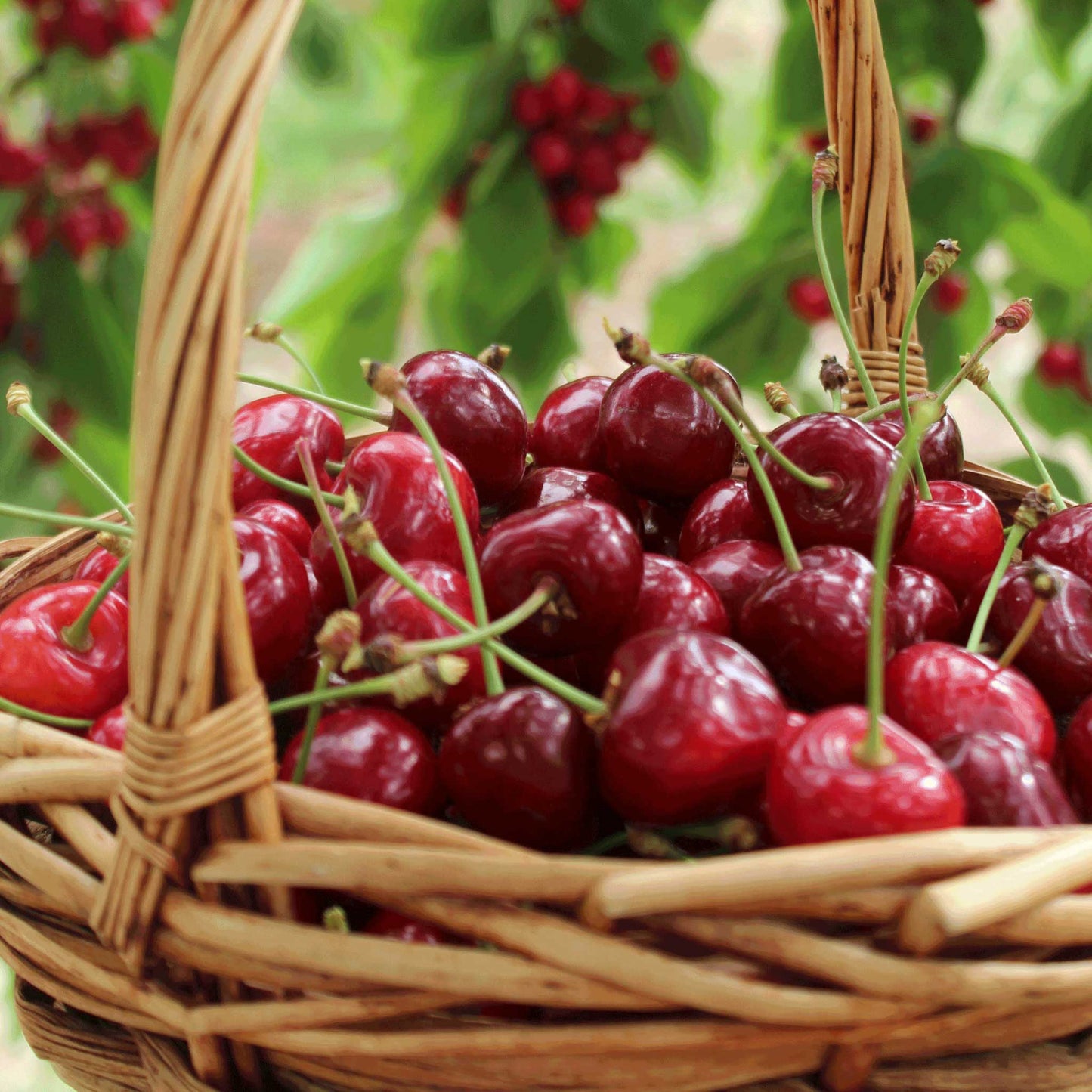
The sweet cherry that set the standard, Bing produces large, beautifully heart-shaped fruit with glossy mahogany skin, firm wine-red flesh, and a rich, full-bodied sweetness. There is a reason why we've all heard of the Bing cherry! Developed in Oregon’s Willamette Valley, Bing Cherry Trees thrive where winters provide the chill needed for dependable fruiting. Clouds of white spring blossoms followed by a broad, leafy summer canopy make this classic fruit tree a beautiful addition to the landscape.

This item is excluded from coupon codes and site-wide promotions.

Available across most of the U.S. — except AK, AZ, CA, HI, ID, OR, WA.

  • • Beautiful tree canopy with white spring blossoms
  • • A centerpiece tree; plant where you want both summer fruit and summer shade
  • Needs a pollinating partner; plant a different but compatible cherry variety nearby to set fruit

Planting Information

PLANTING SEASON

  • Spring
  • Fall

PLANTING DEPTH

  • Plant at the same depth as the nursery container

WATER NEEDS

  • Average

PLANT SPACING

  • 10 to 15 feet

HARDINESS ZONES

  • 5
  • 6
  • 7
  • 8

Planting Guide

recommended growing zone View our Cherry Tree Planting Guide to learn more.

Companion Plants

1 of 3

Bing Cherry Tree FAQs

What does a Bing cherry taste like?

Bing is the classic sweet cherry: large, firm, and juicy with rich, full-bodied sweetness and a hint of depth that keeps it from tasting one-note. The flesh is dense and deep red, and the flavor is the reference point most other fresh sweet cherries are compared to.

Do I need a second tree to get cherries?

Yes. Bing is not self-fertile and will not set a meaningful crop on its own. Plant a compatible sweet cherry that blooms at the same time within range of pollinating bees, such as Black Tartarian, Rainier, or Stella. Avoid relying on Lambert or Royal Ann as the partner, since they are cross-incompatible with Bing.

How soon will it bear fruit?

Sweet cherries take patience. A Bing typically begins bearing a few years after planting once it has built a strong framework, with fuller crops as the tree matures. Steady sun, good drainage, and a compatible pollinator nearby are the biggest factors in getting there.

Can I grow Bing in a cold climate or a container?

Bing is hardy in zones 5 through 8 and genuinely needs a cold winter to fruit, so cold-winter gardens within that range are ideal. It is a full-sized tree reaching 12 to 15 feet, so it is best planted in the ground rather than kept long-term in a pot.

Why is my tree dropping fruit or cracking?

A light natural drop after bloom is normal as the tree sheds what it cannot carry. Heavier fruit loss often points to poor pollination, lacking a compatible partner, or drought stress while fruit is sizing. Split or cracked cherries usually follow heavy rain right before harvest, when ripe fruit takes up water faster than the skin can stretch.

When and how do I harvest, and what can I do with the fruit?

Harvest from June through August when cherries are fully dark, firm, and sweet, clipping or gently pulling clusters so you do not strip the fruiting spurs. Cherries will not sweeten further once picked. Bing is superb fresh off the branch and also excellent for freezing, pies, preserves, and jams.

Grown by Our Community • All cherry trees

    1 of 0